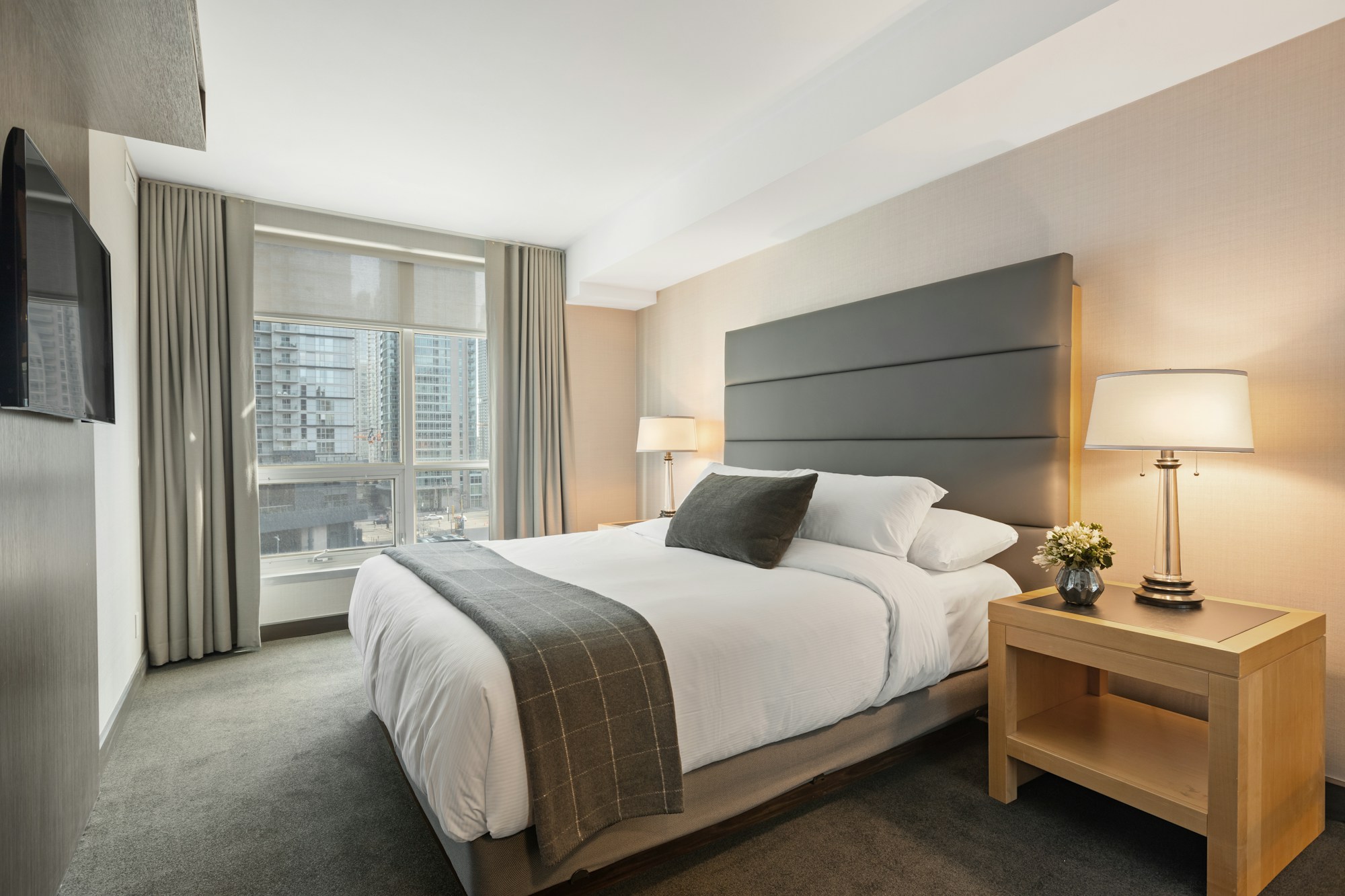
Walk through any home furnishing department or browse Amazon India, and you will see packaging loudly advertising "800 Thread Count", "1000 Thread Count", or even "1500 Thread Count Hotel Luxury" for under ₹1,500.
If it sounds too good to be true, that is because it is. In the textile industry, thread count inflation has become one of the most widespread marketing deceptions in consumer goods.
What Does Thread Count Actually Measure?
By official scientific textile definitions, Thread Count (TC) is the sum of horizontal threads (weft) and vertical threads (warp) woven into one square inch of fabric:
Warp Threads + Weft Threads = Thread Count
A loom can physically only fit a certain number of cotton yarns into a single square inch. Using high-grade single-ply long-staple cotton yarn, the physical maximum density achievable before the fabric becomes a stiff, unbreathable cardboard-like canvas is roughly 400 to 600 threads per square inch.
The Multi-Ply Trick: How Brands Turn 250 into 1,000
So how does a brand claim 1,000 thread count on a budget sheet?
They use multi-ply yarn. Instead of using one strong, fine thread of long-staple cotton, they take four cheap, weak, short-staple polyester or cotton strands and twist them together into a single rope.
Then, instead of counting that one rope as one thread, unethical manufacturers count each individual strand within the twist:
- Real Loom Weave: 250 warp/weft yarns per square inch.
- Yarn Type: 4-ply low-grade twisted yarn.
- Brand's Advertised Math: 250 × 4 = "1,000 Thread Count!"
Why Multi-Ply 1000 TC Feels Terrible
Because multi-ply yarns are thick and short, the fabric is heavy, traps heat suffocatingly during Indian summers, and begins pilling (forming rough little fuzz balls) after just 3 to 4 washes. A genuine 300 TC single-ply cotton sheet feels infinitely silkier, softer, and more breathable.
The True Indicators of Bedsheet Quality
Instead of chasing four-digit numbers, look for these three genuine markers of luxury:
- Fiber Staple Length: Look for Long-Staple (LS) or Extra-Long Staple (ELS) cotton (such as Suvin, Giza, or Pima). Longer cotton fibers produce silky, uniform yarns with no scratchy exposed ends.
- Single-Ply Weave: Ensure the packaging explicitly states "Single-Ply Yarn".
-
Weave Type:
- Percale (One-Over, One-Under): Crisp, matte, cool-to-the-touch. Perfect for Indian summers.
- Sateen (Four-Over, One-Under): Silky sheen, buttery drape, slight natural warmth. Wonderful for air-conditioned rooms and winters.
The Definitive Sweet Spot for Indian Bedrooms
Recommended Thread Count Guidelines:
- 200 – 300 TC (Single-Ply Percale): The optimal choice for Indian summers and humid monsoon seasons. Highly breathable and gets softer with every wash.
- 300 – 500 TC (Single-Ply Sateen): Five-star hotel luxury. Unmatched silky drape, long-lasting durability, and excellent wash resistance.
- 600+ TC: Only recommended if verified as ultra-fine single-ply yarn (100s yarn count). Otherwise, likely an inflated multi-ply marketing gimmick.